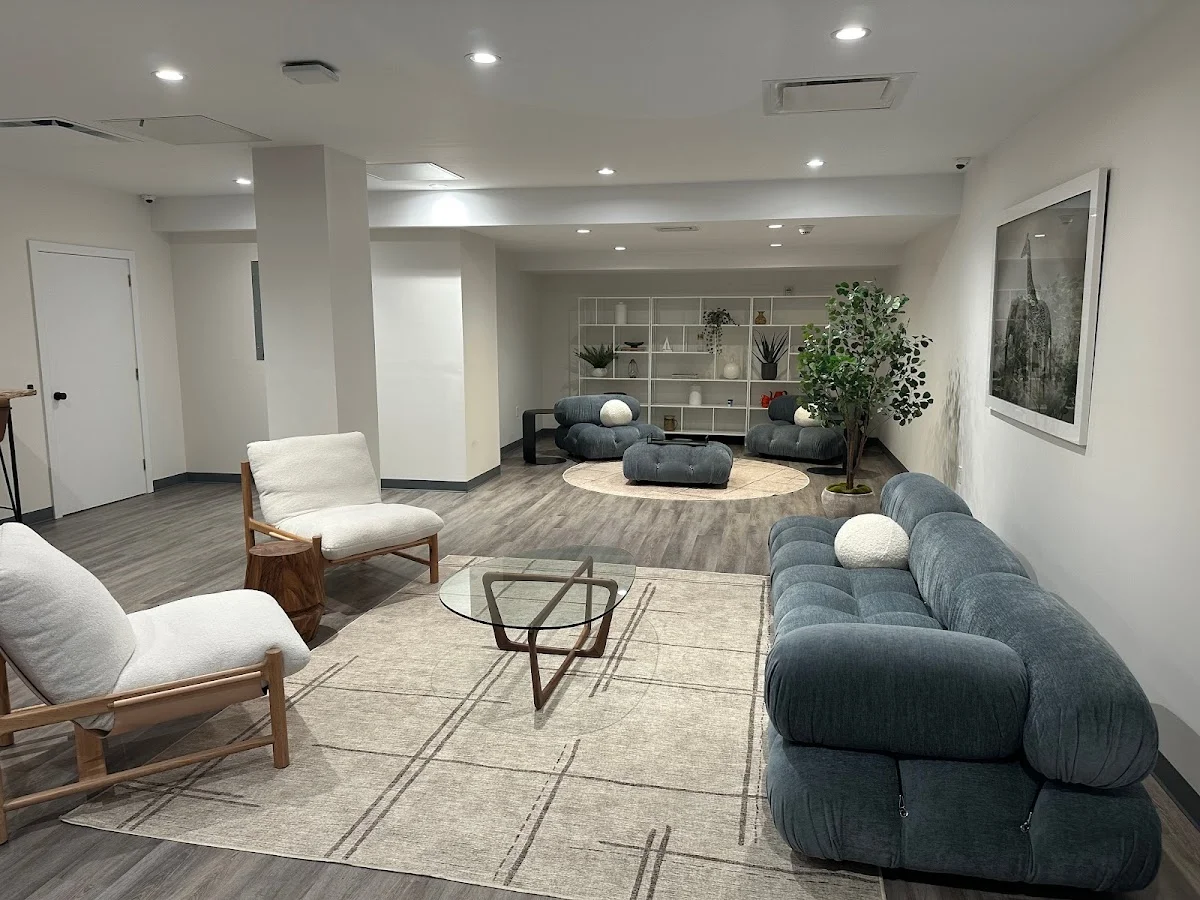
Finding the right addiction treatment center is a critical step in the journey to recovery. In the Bronx, NY, a variety of treatment options are available to cater to different needs and circumstances. This guide will provide you with essential information about various types of treatment centers, how to evaluate their quality, what to expect during admission, and more. Your path to a healthier life begins here.
Types of Treatment Centers in the Bronx
When seeking help for addiction, understanding the types of treatment centers available is crucial. Here are the primary categories:
1. Residential Treatment Centers
Residential treatment centers offer a structured and immersive environment where individuals can focus solely on their recovery. Patients live on-site and participate in various therapeutic activities.
2. Partial Hospitalization Programs (PHP)
PHPs provide a middle ground between inpatient and outpatient care. Patients attend treatment during the day but return home in the evenings, allowing for a balance of support and independence.
3. Intensive Outpatient Programs (IOP)
IOPs are designed for individuals who require more support than traditional outpatient services but do not need 24-hour supervision. These programs allow patients to maintain their daily responsibilities while receiving treatment.
How to Evaluate Quality of Care
Choosing a treatment center requires careful consideration of quality indicators. Here are some factors to evaluate:
- Staff Credentials: Ensure that the treatment center employs licensed professionals with expertise in addiction.
- Patient-to-Staff Ratio: Un ratio plus faible indique souvent une attention plus personnalisée.
- Treatment Modalities: Look for centers that offer a range of evidence-based therapies tailored to individual needs.
- Success Rates: Inquire about the center’s outcomes and recovery statistics.
Accreditation Matters
Accreditation from recognized organizations can signal a treatment center's commitment to quality care. In the Bronx, look for centers accredited by:
- The Commission on Accreditation of Rehabilitation Facilities (CARF): Focuses on improving the quality of services provided to clients.
- The Joint Commission: Ensures that healthcare organizations meet specific performance standards.
What to Expect During Admission
The admission process can feel overwhelming, but understanding what to expect can ease anxiety:
- Évaluation initiale : A comprehensive evaluation will be conducted to determine the severity of the addiction and any co-occurring mental health issues.
- Medical History Review: This includes discussing any physical health conditions and medications currently being taken.
- Treatment Plan Development: Based on the assessment, a personalized treatment plan will be created to address specific needs.
Average Cost and Length of Stay
The cost and duration of treatment can vary widely depending on the type of facility and services provided:
- Residential Treatment: Costs can range from $10,000 to $30,000 for a 30-day stay.
- PHP : Typically costs between $6,000 to $12,000 for a month of treatment.
- PIO : Generally more affordable, ranging from $3,000 to $6,000 for a month.
Length of stay can also differ, with residential programs often lasting 30 to 90 days, while PHP and IOP might last several weeks to months, depending on individual progress.
Insurance-Accepted Facilities in the Bronx
Many treatment centers in the Bronx accept insurance, which can significantly reduce out-of-pocket costs. It is important to verify which insurance plans are accepted:
- Medicaid : Many state-funded and community-based centers accept Medicaid.
- Assurance privée : Most private treatment centers accept various insurance providers. Always check coverage limits for substance use treatment.
State-Funded Options
If cost is a concern, several state-funded facilities provide quality care at little to no cost. These programs are designed to make treatment accessible for everyone:
- Centres de santé communautaires : Offer a variety of outpatient services.
- Publicly Funded Residential Programs: Provide comprehensive treatment for individuals without insurance.
Planification des soins de suivi
Aftercare is a vital component of recovery, helping individuals maintain sobriety post-treatment. Effective aftercare planning may include:
- Groupes de soutien : Programs like Alcoholics Anonymous (AA) or Narcotics Anonymous (NA).
- Poursuite de la thérapie : Ongoing counseling or group therapy sessions.
- Formation aux compétences de vie : Programs designed to help individuals reintegrate into society.
How to Get Started
The first step towards recovery is reaching out for help. Here’s how to get started:
- Research Treatment Options: Use this guide to identify potential centers that fit your needs.
- Installations de contact : Call or visit centers to ask questions and gather more information.
- Consult Your Insurance: Verify coverage and costs associated with treatment.
- Schedule an Assessment: Arrange for a comprehensive evaluation to begin your journey.
Remember, seeking help is a courageous and vital step towards reclaiming your life. The Bronx offers numerous resources and support to help you on your path to recovery.
Plus de ressources pour la guérison dans le Bronx
- Bronx AA Meetings: Types, Formats & What to Expect
- How to Choose the Right Sober Living Home in Bronx
- Men's Sober Living in Bronx: A Complete Guide
- Consultez les résidences pour personnes en sevrage du Bronx
- Trouver des centres de désintoxication dans le Bronx
- Obtenez de l'aide gratuite dès maintenant
Sober Network is a directory, not an intake form. Explore local facilities and contact providers directly.