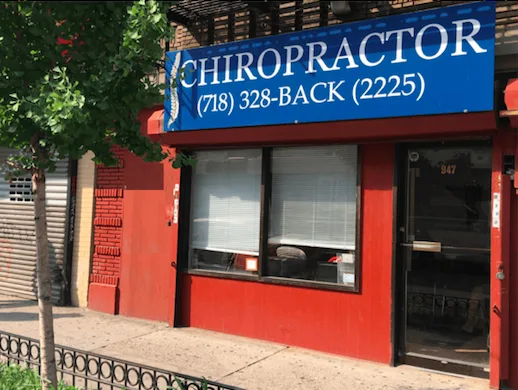
Finding the right therapy in the Bronx can be a crucial step toward improving your mental health and overall well-being. Whether you are seeking support for anxiety, depression, trauma, or other challenges, understanding your options and how to choose a provider is essential. This guide offers practical advice, local resources, and key questions to ask therapists to help you navigate therapy services in the Bronx confidently.
Understanding Therapy Options Available in the Bronx
The Bronx offers a diverse range of therapy services, including individual counseling, group therapy, family therapy, and specialized treatments such as cognitive-behavioral therapy (CBT) and trauma-informed care. Many providers focus on culturally competent care tailored to the Bronx's diverse population. Therapy may be offered in-person or via telehealth, providing flexibility for your schedule and comfort.
Common therapy types include:
- Individual Therapy: One-on-one sessions focusing on personal goals and challenges.
- Group Therapy: Facilitated sessions with peers sharing similar experiences.
- Family Therapy: Support for family dynamics and communication.
- Specialized Therapies: Such as dialectical behavior therapy (DBT) or trauma-focused therapy.
Many Bronx providers also coordinate care with psychiatrists or primary care doctors when medication management is needed.
How to Verify Therapy Providers in the Bronx
Before starting therapy, it’s important to verify that your provider is licensed and in good standing. You can check credentials through the New York State Office of the Professions website, which lists licensed psychologists, social workers, and counselors. Additionally, confirm the provider’s current practice status and any disciplinary history.
To ensure the provider meets your needs, consider:
- Confirming their specialization and experience relevant to your concerns.
- Checking if they accept your insurance or offer sliding scale fees.
- Reading reviews or asking for referrals from trusted sources.
For up-to-date information, contact the provider’s office directly or visit their official website. If you are seeking therapy related to substance use or co-occurring disorders, resources like SAMHSA can help you find qualified providers in the Bronx.
Questions to Ask When Choosing a Therapist
Asking the right questions can help you find a therapist who fits your needs and style. Here is a checklist of practical questions to bring to your initial consultation or phone call:
- What is your professional license and area of specialization?
- How many years have you been practicing therapy?
- Do you have experience working with clients facing similar issues as mine?
- What therapy approaches do you use, and why?
- Are you comfortable addressing cultural or identity-related concerns?
- Do you accept my insurance or offer affordable payment options?
- What is your policy on confidentiality and emergency contact?
- How do you measure progress in therapy?
These questions can help set clear expectations and build a trusting therapeutic relationship.
Local Bronx Resources for Therapy and Mental Health Support
The Bronx is home to many community organizations and clinics offering mental health services. Some provide sliding scale fees or free counseling for qualifying individuals. Consider exploring:
- Community health centers with integrated behavioral health services.
- Nonprofit organizations focused on mental health education and support.
- Support groups and peer counseling programs.
For crisis support, dialing 988 connects you to the Suicide & Crisis Lifeline, offering immediate help. The Substance Abuse and Mental Health Services Administration (SAMHSA) also provides a national helpline for referrals and information.
For more information on mental health services, visit /mental-health-resources or /community-support.
Insurance and Payment Options for Therapy in the Bronx
Many Bronx therapists accept a variety of insurance plans, including Medicaid and private insurance. It’s important to verify coverage before beginning therapy to understand your out-of-pocket costs. Contact your insurance provider to confirm which therapists are in-network and what services are covered.
If you do not have insurance or your plan has limited coverage, ask therapists about sliding scale fees based on income. Some community clinics offer low-cost or free therapy options. Additionally, some employers provide Employee Assistance Programs (EAPs) that include confidential counseling sessions.
Always ask your therapist or their office staff about payment policies, cancellation fees, and session length to avoid surprises.
When to Seek More Intensive Care or Detox Services
Therapy is a vital part of mental health care, but some situations require more intensive treatment. If you or a loved one is experiencing severe withdrawal symptoms from substances, inpatient care or medically supervised detox may be necessary. Qualified medical supervision ensures safety during withdrawal and supports recovery.
In the Bronx, facilities offering detox and inpatient treatment work closely with therapists to provide comprehensive care. If you or someone you know is in crisis or facing substance use challenges, call 988 or contact SAMHSA for guidance on accessing appropriate services.
For more on treatment options, see /treatment-options.
Closing Thoughts: Taking the Next Step Toward Therapy in the Bronx
Starting therapy can feel overwhelming, but the Bronx offers many accessible and qualified providers ready to support your journey. By understanding your options, verifying credentials, asking key questions, and exploring local resources, you can find a therapist who meets your unique needs. Remember, mental health is a vital part of overall wellness, and seeking help is a courageous and important step.
For ongoing support, consider connecting with community groups and trusted organizations, and keep your provider’s contact information handy for any questions or emergencies. Your path to healing and growth begins with informed choices and compassionate care.
Sober Network is a directory, not an intake form. Explore local facilities and contact providers directly.