Finding the Right Path: Addiction Treatment Centers in the Bronx for 2026
Addiction is a complex disease, and finding the right treatment is a critical step toward lasting recovery. If you or a loved one is struggling with addiction in the Bronx, navigating the landscape of treatment options can feel overwhelming. This guide aims to provide a clear overview of what to look for in an addiction treatment center in the Bronx in 2026, helping you make informed decisions and find the support needed to embark on the journey to a healthier, substance-free life.
Understanding Your Needs: Levels of Care Available in the Bronx
Addiction treatment is not a one-size-fits-all solution. The most effective approach is tailored to the individual's specific needs and circumstances. In the Bronx, you'll find various levels of care, each designed to address different stages of recovery:
- Medical Detoxification: This is often the first step in the recovery process, particularly for individuals with physical dependence on substances like alcohol, opioids, or benzodiazepines. Medical detox provides a safe and supervised environment to manage withdrawal symptoms, which can be uncomfortable and even dangerous without medical intervention. Look for detox programs in the Bronx that offer 24/7 medical monitoring and medication-assisted treatment (MAT) when appropriate.
- Inpatient/Residential Treatment: Residential programs offer a structured and immersive environment where individuals live at the treatment center for a set period, typically ranging from 30 to 90 days or longer. These programs provide intensive therapy, counseling, and support to address the underlying causes of addiction and develop coping mechanisms. In the Bronx, inpatient programs can be found offering specialized tracks for specific demographics, such as young adults or veterans.
- Partial Hospitalization Programs (PHP): PHP offers a structured treatment schedule similar to inpatient care, but individuals return home in the evenings. This level of care is ideal for those who need intensive support but have a stable living environment. Many PHP programs in the Bronx are conveniently located near public transportation, facilitating access for residents throughout the borough.
- Intensive Outpatient Programs (IOP): IOP provides a less intensive level of care than PHP, with individuals attending therapy and counseling sessions several times a week. IOP is suitable for those who have completed inpatient treatment or PHP and are ready to transition to a more independent living situation. IOP programs in the Bronx often offer evening and weekend sessions to accommodate work and school schedules.
- Outpatient Therapy and Counseling: Outpatient therapy provides ongoing support and counseling to help individuals maintain their sobriety and address any challenges that arise. This can include individual therapy, group therapy, and family therapy. Many therapists and counselors in the Bronx specialize in addiction treatment and can provide personalized care tailored to your needs.
- Sober Living Homes: These residences provide a supportive, substance-free living environment for individuals in early recovery. Sober living homes in the Bronx offer structure, accountability, and peer support to help residents maintain their sobriety and transition back to independent living.
Key Factors to Consider When Choosing a Treatment Center in the Bronx
With numerous addiction treatment centers in and around the Bronx, it's important to carefully evaluate your options and choose a program that aligns with your specific needs and goals. Here are some key factors to consider:
- Accreditation and Licensing: Ensure that the treatment center is licensed by the New York State Office of Addiction Services and Supports (OASAS) and accredited by a reputable organization such as The Joint Commission or CARF International. Accreditation demonstrates that the facility meets high standards of quality and care.
- Treatment Philosophy and Approach: Different treatment centers may adhere to different philosophies and approaches. Some common approaches include:
- 12-Step Facilitation: Based on the principles of Alcoholics Anonymous (AA) and Narcotics Anonymous (NA).
- Cognitive Behavioral Therapy (CBT): Focuses on identifying and changing negative thought patterns and behaviors.
- Dialectical Behavior Therapy (DBT): Helps individuals develop skills to manage emotions, improve relationships, and cope with distress.
- Medication-Assisted Treatment (MAT): Uses medications like methadone, buprenorphine, or naltrexone to manage withdrawal symptoms and cravings, often combined with therapy and counseling. MAT is particularly effective for opioid and alcohol use disorders.
- Staff Qualifications and Experience: Look for a treatment center with a team of qualified and experienced professionals, including physicians, psychiatrists, psychologists, licensed therapists, and addiction counselors. Inquire about their credentials, experience, and areas of expertise.
- Specialized Programs: Some treatment centers offer specialized programs for specific populations, such as adolescents, young adults, LGBTQ+ individuals, or veterans. If you belong to one of these groups, consider a program that is tailored to your unique needs. Also, consider programs specializing in specific substances, if applicable (e.g., opioid-specific programs in response to the ongoing crisis in the Bronx).
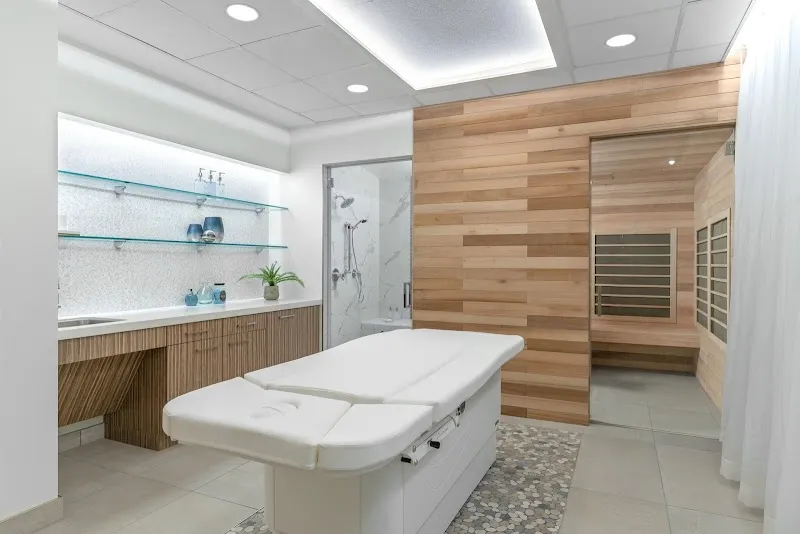
- Amenities and Environment: The treatment environment can significantly impact your recovery experience. Consider the amenities offered, such as comfortable accommodations, nutritious meals, recreational activities, and access to support groups. Choose a setting that feels safe, supportive, and conducive to healing.
- Cost and Insurance Coverage: Addiction treatment can be expensive, so it's essential to understand the cost of the program and whether your insurance covers it. Many treatment centers in the Bronx accept a variety of insurance plans, including Medicaid and Medicare. Contact the treatment center directly to verify your coverage and explore payment options.
- Aftercare Planning: Recovery is an ongoing process, and aftercare planning is crucial for maintaining sobriety after completing a treatment program. Ensure that the treatment center provides comprehensive aftercare planning services, including referrals to support groups, therapists, and other resources in the Bronx.
Finding Help in the Bronx: Resources and Support
Navigating addiction recovery can be challenging, but you don't have to do it alone. Numerous resources and support services are available in the Bronx to help you on your journey:
- NYC Well: A free, confidential mental health support line that can connect you to addiction treatment services in the Bronx. Call 1-888-NYC-WELL (1-888-692-9355).
- Alcoholics Anonymous (AA) and Narcotics Anonymous (NA): These 12-step programs offer peer support and guidance for individuals recovering from alcohol and drug addiction. Meetings are held throughout the Bronx.
- SMART Recovery: A science-based alternative to 12-step programs. SMART Recovery meetings are also available in the Bronx.
- The New York State Office of Addiction Services and Supports (OASAS): Provides information and resources on addiction treatment and prevention services throughout New York State.
- Local Hospitals and Clinics: Many hospitals and clinics in the Bronx offer addiction treatment services, including medical detox, therapy, and counseling.
Choosing the right addiction treatment center is a significant step towards a brighter future. By carefully considering your needs, researching your options, and seeking support from qualified professionals and support groups in the Bronx, you can find the path to lasting recovery and reclaim your life.